Home » Jazz Musicians » Jeffrey Hayden Shurdut
Jeffrey Hayden Shurdut
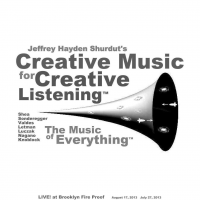
The NAXOS Library Presents: "Creative Music for Creative Listening" comes to us after a decade of uncompromising work by one of the first relevant artists of the 21st Century. A champion of his generation, and most prolific among his peers, CMCL brings you the next chapter in Jeffrey H. Shurdut's long legacy. JEFFREY HAYDEN SHURDUT is the first living artist celebrated by Ayler Records with a Box Set (2007), and only figure today with three documentaries; NorthCountry (2002-2007), Ayler Records (2007-2011), and JaZt Tapes (2011- present). "Visionary" WNUR, Chicago; "Talent and Vision to Spare", AllMusicGuide; "This Music Lives Up to Its Name", The Village Voice; "Viscerally Thrilling, Ethereal, Evoking", Cadence Magazine; "Incendiary", Time Out New York; Columbia University, Annual Art Instillation Award, Graduate School of Arts & Sciences (1994); The University of Pennsylvania, Guest Artist, Ars Nova (2006); MM&A Foundation Grant Award (2014), "Top 10" Todd McComb (2012), "Top 10" The Village Voice (2008). "If any one musician arguably epitomizes cooperative total improvisation in the 21st Century, then it’s New York-based guitarist and keyboardist Jeffrey Hayden Shurdut." (Ken Waxman). Jeffrey Hayden Shurdut (Am. b. 1967) is Founder and Director of THIS IS THE MUSIC OF LIFE: A series featuring both inter-disciplinary and multi-instrumental artists who have a place in American History and emerging artists dedicated to documenting the essential connection between the visual, movement, music, and word in a living and creative space. Guest artist, and performance showcases include: The Whitney Museum of American Art Biennial, The University of Pennsylvania, Columbia University, The Stone, TONIC, CBGB's, The Knitting Factory, The Vision Festival Club Series. Formal connections include: Guillermo Gregorio, Joe McPhee, Sonny Simmons, Oliver Lake, Marshall Allen, Luther Thomas, Jameel Moondoc, Bern Nix, Daniel Carter, Sabir Mateen, Frode Gjerstad, Lukas Ligeti, Gene Moore, Paul Flaherty, Gene Janas, John Moloney, Brian Osborne, Marcus Cummins, and Kevin Shea. _____________ Jeffrey Hayden Shurdut (Am. b) Polarizing and warmly embraced, Shurdut first gained critical acclaim for his approach on guitar. Affectionately known as 'etuning', Shurdut's music strongly suggests that living above 3rd avenue inspired him most. When asked how the music came to him, Shurdut says, 'I opened my window, and there it was. I just tuned my guitar to 35 miles an hour and played.' There are stories from the early 1990's of Shurdut sitting in the basement of Avery Fisher Hall and listening to the Philharmonic at night. There are also accounts of Shurdut in local music stores, recording himself, on their equipment, during the exodus of NY's creative venues.
Read moreAnd, there are even more stories that add to Shurdut's mystique, such as how his idiosyncratic piano technique allegedly comes from a hand held drum sampler he carried on his walks through Central Park. 'A visionary whose heritage and background are not based in the cotton-fields of the South - Shurdut's references and blues come from the 24/7 experiences of human and mechanical sounds in the big city. The music may be as abstract as the urban environment itself - disturbing, provocative, unstructured, or with its frequent street pulses; but regardless of the journey into his world, Shurdut will always bring you to react. His sounds are our sounds. And the experience, when one hears, and ultimately understands, is overwhelming.' -Jan Strom In 2007, Jeffrey Hayden Shurdut became the first living artist celebrated with a box set by the prestigious Ayler Records. But, it was Cadence/NorthCountry in the early years, until a philisophical difference dissolved their relationship. In 2006, Jan Strom stepped in as Shurdut's producer. By 2012 Strom and Ayler Records released more than three Shurdut box sets; also the most by any living American artist. Today JaZzTapes is completely dedicated to continue the Shurdut anthology. *Shurdut's Box Set was placed on the top ten albums of the year list; The Village Voice / Signal to Noise (2008). Jeffrey H. Shurdut is also founder of The FMA & THIS IS THE MUSIC OF LIFE: A series featuring both inter-disciplinary and multi-instrumental artists who have a place in American History and emerging artists dedicated to documenting the essential connection between the visual, movement, music, and word in a living and creative space. Shurdut's performances and art showcases include: The Whitney Museum of American Art, Biennial (2008); Ars Nova at The University of Pennsylvania (2006); Columbia University, Graduate School of Arts & Sciences, Installation (1993-4). Artist in Resident: Sweden- Dalarna (Smedjebacken, Morgardshammar), Stockholm (Sollentuna, Bromma), 1999; Norway- Oslo (Majorstuen), 1999. Formal Connections: Joe McPhee, Sonny Simmons, Marshall Allen, Oliver Lake, Luther Thomas, Jameel Moondoc, Bern Nix, Daniel Carter, Sabir Mateen, Frode Gjerstad, Guillermo Gregorio, and Lukas Ligeti. Current Collaborations Include: Gene Moore, Paul Flaherty, Gene Janas, John Moloney on Feeding Tube Records, as well as Brian Osborne, and Marcus Cummins. http://fineartamerica.com/profiles/jeffrey-shurdut.html [email protected] _____________ JEFFREY HAYDEN SHURDUT American Artist, New York City. The Sound Experiement Years; 2003-2014 "YAD" Top 10, 2012 Tdd McComb- AllMusic Guide "TOP 10" 2008, "Ayler Box Set" -The Village Voice, Signal to Noise. Shurdut is a "Visionary," Mike Szajewski (WNUR, Chicago) "Talent and Vision to Spare," Steven Loewy (AllMusic Guide). "If any one musician arguably epitomizes cooperative total improvisation in the 21st Century, then it’s New York-based guitarist and keyboardist Jeffrey Hayden Shurdut." (Ken Waxman) Jeffrey Hayden Shurdut (Am. b. 1967) is founder of The FMA and noloabels records, and heads THIS IS THE MUSIC OF LIFE, The Human Unconditional, and Creative Music for Creative Listening: A series featuring both inter-disciplinary and multi-instrumental artists who have a place in American History and emerging artists dedicated to documenting the essential connection between the visual, movement, music, and word in a living and creative space. "This Music Lives Up To Its Name." -The Village Voice "A luta continua... intense, astringent , multipoint,...engrossing level of improvisitory interaction...a viscerally thrilling ride." -Cadence Magazine “Jeffrey Hayden Shurdut leads...” -The New York Times “Shurdut,… Ethereal, Ghostly, Evoking. Well-developed micro-activity, Satisfying, Amorphous." -Cadence Magazine "INCENDIARY JAZZ!"- Time Out New York. JEFFREY HAYDEN SHURDUT; first living artist celebrated by Ayler Records with Box Set; 2007. Performances, Art Showcases Include: The Whitney Museum of American Art, Biennial; 2008. The University of Pennsylvania; 2006. Columbia University, Graduate School of Arts & Sciences, Installation; 1993/94, The Stone, TONIC, CBGB's, The Knitting Factory, The Vision Festival Club Series. Only artist documentary by Cadence/NorthCountry 2002-2007; Ayler Records 2007-2011; JaZsTapes; 2011- present. Artist in Residence; Sweden-Smedjebacken, Morgardshammar; Dalarna; Sollentuna, Bromma; Stockholm, 1999, Norway- Majorstuen, Oslo, 1999. *Over 70 recordings to his credit. *Archivist, Julien Palomo. Section of The Essential Biography: Shurdut spent the early part of the 1990's in the basement of The New York Philharmonic, listening to concerts, and learning piano on a hand held drum sampler; phonetically, in New York City's Central Park. In 2002, Shurdut discovered etuning; the tuning of one's instrument to his/her environment. The artist’s recollection of his epiphanic moment is the stuff of legend. [Ayler Records liner book] "I opened my window, and there it was... I just tuned my guitar to 35 miles an hour and played." Within the last few years, as the major avant garde venues have been on the decline, Shurdut has resorted to recording in busy music stores, while going undetected. Formal Connections: Joe McPhee, Sonny Simmons, Marshall Allen, Luther Thomas, Jameel Moondoc, Bern Nix, Daniel Carter, Sabir Mateen, Frode Gjerstad, Lukas Ligeti, Guillermo Gregorio. Current Collaborations Include: Gene Moore, Paul Flaherty, Gene Janas, John Moloney & Feeding Tube Records. +Brian Osborne, and Marcus Cummins. Awards & Education: *Columbia University, Annual Art Instillation Award, Graduate School of Arts & Sciences. '94 *The University of Pennsylvania, Guest Artist, Ars Nova. 2006 *The National Academy of Drawing and Painting. 1994,5 *The Whitney Museum of American Art, Biennial. 2008 *The Schine Center. 1988 *The Juilliard School. 1993,4 *The New School, NYC. 1993 *Herbert Berghof Studios. 1990 *School of Visual Arts, NYC. 1988,1989 *Syracuse University, BFA, 1989 *Columbia University, Masters of Advanced Clinical Social Work, 2019 Avery Fisher Hall Juried exhibition: *The International Gallery of Contemporary Art, *The National Gallery at the Smithsonian Institute, *The University of California; Berkeley (1994,5) Funding by: *The New York State Council on the Arts. 2013 (2) *The New York State Council on the Arts. 2002 *The New York State Council on the Arts, City Parks. 2006 Artist in Residence: *Sweden, Stockholm. *Norway, Oslo. *Erland Cullberg (collaboration). 1999. Curator: The Bowery Poetry Club Series. Brooklyn Fire Proof- "The 2 1/2 Hour New Music Festival". Brooklyn Fire Proof- "The 2 3/4 Hour New Music Festival". Documentaries: Ayler Records, monthly series (2006-2012). Cadence/NorthCountry, monthly series (2003-2007). JaZt Tapes, the anthology (2013-present) Selected Galleries: *Galleri Rubens (Sweden), Galleri Elenor, *V-17, Tonne (Norway), *Galleri Reykjavik (Iceland), *The Gallery Center at Boca Raton (Fla), *The Midoma Studio, Gallery 128, *Carlo Alessi (Chelsea, NYC), and *Galleri Kronan (Sweden). *Collections include: The Crohn estate Teaching appearances: Middle School 88, Brooklyn, NY. 2008 Watts Learning Center Charter School, Los Angeles, CA. 1999 Pace University, New Programs, 1998 Berkeley College, New Programs, 1998 Selected articles & television: *The New York Times (November 19, 2000-Section 11), *NBC's "Live at Five," *WLIW "Metro" TV (USA). Other publications include *Dala Demokraten, *Ludvika Tidning (Sweden), *IMPASTO! (NY), and *The State of Art (Belgium). Performances include: The Stone, Tonic, The Knitting Factory, CBGB's, The Vision Festival Club Series, Hampshire College, Symphony Space, WKCR- Columbia University, Ars Nova- University of Pennsylvania. The Ayler Record Years: http://www.ayler.com/images/covers/pdfs/aylDB-200_linerbook.pdf Signal To Noise By: Lawrence Cosentino In the notes to his eight-part “digital box set” on Ayler Records, Jeffrey Hayden Shurdut calls himself a “moving portal,” a human receptor communicating “the all-out storm of the world.” From this and other basement-Buddha pronouncements, an ornery skeptic could make wild guesses about Shurdut’s life story: the one failed piano lesson, the uncommunicative youth, and finally, the burst of inspiration that led him to throw off the shackles of technique and realize that music isn’t created, but already out there, poised to rush on its own through a properly receptive “portal.” No, Shurdut doesn’t make it easy, but this collection tosses down an enormous gauntlet: listen to these astounding sonic cyclones, recorded guerilla-style in various venues around New York, and then brush him off – if you can. The Digital Box is a daunting package, and the first order of business is to skip past Shurdut’s post-obvious poetry and philosophy (“everything is already in front of us”) and go straight to “Etuning,” the set's centerpiece. “Etuning” presumably stands for “environmental tuning,” an evasive concept until you hear Shurdut and his colleagues draw shattering soundscapes out of everyday noises. Most of Shurdut's sessions feature two or three hair-onfire reedmen, maybe a trumpet, prominent percussion, and wild-card elements such as viola, laptop, or spoken word. (Shurdut’s philosophy is to let anyone play anything, whether it’s “their” instrument or not.) Shurdut himself is usually under the waves, stirring up bottom murk on guitar, amp or piano. The first thing that hits you about this music is its hungry, amoeba-like cohesion. In “Etuning From the Shower Head,” everybody locks into thick, liquid pulsations, centered by Brian Osborne’s tremendous drum rolls. Reedman Blaise Siwula, an exciting and frequent collaborator on this set, sounds almost blithe, as if he’s singing in the shower. “Kitchen Sink” is full of stinging cymbals and high-hat splashes – is the water too hot? – and “Bathroom Tub” goes on a wild squeakathon, with Shurdut’s guitar sounding like a barnyard full of chickens. A bracing new sound combination is almost always around the corner. On “Siren to the Dishwasher Handle,” flutist Bonnie Kane adds a bizarre fairy dust of trills; on “Truck to the Wind Underneath My Door,” Daniel Carter’s huge tenor booms through dense layers of resistance and friction. The savage energy and palpable group spirit of Etuning is typical of the whole set. The longer tracks will challenge the patience of some, but the music's felicitous mix of random and precise processes, its organic integrity, makes it as hard to argue with as a wild forest, a busy street or a hunk of rock. The trick is not to follow this music, but to wander through it. “Humanity,” for example, starts out like cave music, with piano tolling and cello slurs like a growling stomach. Welf Dorr’s alto sax spirals up through the dark like a silvery stalagmite. Most of the time, such comparisons fail, as when until the group stretches and strangles the music into a twisted rope of wet sound. The sheer power of most tracks will blow the scalp off your skull. On “Emergency Broadcast System,” Siwula and tenor man Ras Moshe whip around like an unattended riot hose for a solid 20 minutes before starting to flag (though drummer Marc Edwards just keeps on going). They set the bar so high anything less than an all-out frenzy begins to sound like marking time, but Shurdut’s endings always rise to the occasion. Toward “Emergency’s” conclusion, Moshe takes a blazing solo, supported by low rumbles from Shurdut. Edwards skitters in with nervous brushwork, and then they’re off again, heading for a thunderous, drum-drenched climax. “City Living” is among the least frantic, with Siwula and Ras Moshe on tenors and Marcus Cummins on soprano for the 42-minute anchor track, a study in the braiding and unbraiding of sax lines. Shurdut’s hand is lighter, in part because he’s on a background-mixed Fender Rhodes, so even the mass freakouts sound a bit like they’re happening inside a bottle. Shurdut’s inclusiveness works well here. For much of the duration, all three reedmen are playing at once, and their intelligently layered interplay, defying all odds, doesn’t get old. On “This is the Music of Life”, Siwula and free-jazz legend Sonny Simmons sound great together, and it’s a thrill when Daniel Carter’s trumpet swoops in like a hawk, temporarily silencing them both. Of course, there are limitations to Shurdut’s approach. When the hornmen lay out and leave his piano out to dry for too long, he wears out his welcome. He’ll obsess over a cramped figure on piano or guitar for minutes on end, forcing the rest to make something out of it. Often they do, sometimes they don’t. “Ayler Records Celebration” centers on Luther Thomas’ tribute to Charlie Parker, with disembodied Bird riffs and tired spokenword jazz worship that broke the Shurdut spell for me. But that was an exception. Still, some people will call this set self-indulgent, and maybe it is. On balance, it’s a good thing surgeons and dentists don’t rediscover their instruments and channel their disciplines out of thin air, as Shurdut does with guitars and pianos. But we should all aspire to attune ourselves to kitchen sinks, windy doorways, and city sounds the way Shurdut does. Religion is about filling life’s empty bag, and etuning has more to do with religion than music. It requires a leap of faith, but if you’re game, etuning richly rewards elistening. The Wire By: Daniel Spicer New York multi-instrumentalist Jeffrey Hayden Shurdut isn’t one to whisper when a shout will do. This third installment of his monumental download-only box set adds a further six CDs’ worth of live recordings, bringing it to around 20 hours. With Shurdut mostly playing a fire-spitting alto sax, the basic template is the explosive mass improvisation of Coltrane’s Ascension, but with the Afrocentric spiritual yearning replaced by nerve-jangling information overload. “Free Gravity” is a boiling scream, with Danny and Gene Moore’s guitars and electronics touching similar ground to uncle/brother Thurston’s Original Silence; “Indigenous Songs for Our People” features percussionist Lukas Ligeti; and “Middle Class Poverty” pits Sabir Mateen’s tenor against Shurdut’s piano pummeling. Almost overwhelming in scope and density, and gleefully sidestepping issues of subtlety or restraint, it’s not so much a joyful noise as an anguished shriek of existence. Ken Waxman When Lester Bowie wrote his melancholy dirge “New York is Full of Lonely People” in the 1970s, he could have added that the Big Apple is also packed with a multitude of musicians who continue to turn out unrelenting Free Jazz that masterfully reflects the harsh reality of the city. Three of those notable sound explorers are featured here. Always concerned with the “now”, guitarist Jeffrey Hayden Shurdut, a member of many New York ensembles, is a multi-instrumentalist who honed his style working with such Free Jazz luminaries as saxophonists Sonny Simmons, Joe McPhee and Frode Gjerstad. One of his regular playing partners is alto saxophonist Blaise Siwula, who is also involved in a variety of ad-hoc Free Jazz situations including the C.O.M.A. improv series. Siwula has recorded with everyone from veteran Japanese pianist Katsuyuki Itakura to young bassist Adam Lane. Third angle of this triangle is percussionist Brian Osborne, who has played for dancers, performed gamelan music and is involved in improvisation with Itakura, Siwula, New York multi-reedist Sabir Mateen and many others. Recorded live in the Williamsburg section of Brooklyn – Manhattan rents are making creative people even lonelier these days – the CD highlights three earnest group improvisations. These are aural snapshots of the sort of in-the-moment contemporary sounds created by players whose touchstone is creativity, not musical trends. Each of the two extensive and one short tune includes a reference to etuning in its title. Etuning or Environmental Tuning is a Shurdut specialty, designed to reflect the everyday sounds of the homes and streets of New York. The guitarist, who is also listed as playing “amplifier”, uses the timbres generated by electricity and his own tuning to create another rhythm source from the plugged-in attachment, usually extending and sometimes superseding Osborne’s time-keeping. The most spectacular display of this occurs on “Etuning the Waterfront,” the final track. Here the trio members improvise in parallel counterpoint, intersecting as necessary. Shurdut’s quivering string friction, extended with finger tapping and augmented by amplifier electricity, is the leitmotif here as the guitarist adds rasgueado and slurred fingering to his output. Meanwhile Siwula’s alto saxophone becomes a cauldron of fiery intensity, shoving irregular vibrato, overblowing and guttural tones into the mix. When the saxophone lines arch from echoing slurs to altissimo expansions and consecutive reed bites, Siwula’s jagged outpouring evolves alongside two-handed string taps and slides from the guitarist, and cross-handed bounces, rumbles and pops on the more orthodox rhythm instruments: drums and cymbals. With three separate contrapuntal lines developed, there’s even a point where Shurdut’s response to the saxophonist’s increasingly serrated split tones is weighty scraping that sounds as if it come from scouring a body-encasing rub-board that’s a fixture of Zydeco music. Osborne, who has a degree in percussion performance and has studied with legendary Free Jazz percussionist, Milford Graves, is low key throughout. Discreet and unfussy, his work is concentrated on cymbal textures and pinpointed drum-top taps even on the lively “Etuning the Warehouse”, the closest thing to a percussion showcase here. Although Latinesque and Middle Eastern timbres surface, along with an unexpected press roll on that track, rhythmic creation still takes place in an improvisational context. Osborne’s drum sound is also cushioned by the guitarist’s amp drones and palm taps plus the saxophonist’s repeated split tones and reed vibrations. Simula’s reed expressions are opaque, cyclical and siren-like on “Etuning the Lumber Yard”. But his honks and reed bites turn mellow enough to integrate with the others once Osborne’s ruffs, rolls and rim shots join with Shurdut’s conga-drum-like guitar body smacking to give the sax man a base upon which he can improvise. Like the other tracks, however, no triple-tongued overblowing from the reed, abstracted cymbal and snare coloring from the drummer or slurred fingering and resonating string taps from the guitarist exists in isolation. Each player’s output combines into interconnective polyphony. By synchronizing their musical pulsations to the aural textures of New York City, referencing everything from “from the wood rattling against the heater” to “the screams of the garbage trucks at 4 am” as Shurdut puts it, this trio has created an arresting urban sound picture. Just as the reality of big city life is expressed by yoking extended techniques to familiar jazz instruments, this CD defies metropolitan anomie with heartfelt sonic expressions that interconnect rather than alienate. -www.jazzword.com -INTO Magazine May 2010 JEFFREY HAYDEN SHURDUT Daniel Spicer reports from New York City, where a new strain of free jazz is making waves in the underground, and meets the ‘anti-jazz’ musicians crossing genre and generation in search of extreme sounds. JAZZ AND ANTI-JAZZ By: Daniel Spicer 'I don’t particularly like it when people express music as being underground or above ground. This music is all around' -Jeffrey H. Shurdut “We are not inside or outside, we are all sides. We are everybody’s music. The things we do are always new. And the new music will always be the new music.” Multi-instrumentalist Jeffrey Hayden Shurdut has a way with the sort of gnomic phrase you’d expect from an avant-garde musician working at the outer reaches of free-jazz. But his pronouncements disguise a busy pragmatism. Just out on the influential Paris- based (previously Scandinavian) improv label, Ayler Records, comes the latest instalment in Shurdut’s monumental Digital Box, adding almost another six hours of music to his already massive catalogue of live recordings captured in various locations around his native New York over the last few years, These are uncompromising, large-scale improvisations featuring a like- minded cast of wayward souls including veteran free-jazz saxophonist Daniel Carter, percussionist Lukas Ligeti (son of composer György) and Gene Moore (elder brother of Sonic Youth’s Thurston). Shurdut steers a course through it all, sometimes rumbling away on piano, other times pouring fire from an alto saxophone, or scrabbling in the guts of an electric guitar. It’s a testament to the music’s visceral impact that – still only in his early forties – Shurdut has impressed Ayler Records enough to make him the first living artist to warrant his own box-set on the label. So, perhaps you’d expect him to be a feted artist in his hometown. After all, New York is the home of jazz, instantly synonymous with just about every major development in the music since it migrated north from its New Orleans roots early in the 20th century. From the darkened clubs and cigarette smoke of the be-bop era, to the lofts and dashikis of the free-jazz movement, New York is jazz. But, far from reaping the rewards of fame, Shurdut remains part of a close-knit group of musi- cians operating on the fringes of jazz, largely unrecognised at home. You won’t see them playing at big-name clubs like the Village Vanguard or the Blue Note, but you might see them up-close and personal at tiny hipster hangouts like the Cakeshop on the Lower East Side, lodged like an unruly thorn in the heart of the world’s jazz capital. You’d probably call this “underground” music, but Shurdut remains dubious (and typically esoteric) about such terms: “I don’t particularly like when people express music as being ‘underground’ or ‘above ground’. This music is all around. It’s not where it’s played, just that it is played. All things that were once considered different are now part of the ‘mainstream.’ I think that no matter how one may want to cate- gorise what we are doing, it is more about the ‘always now’, and it transcends people of all ages and every culture.” work demonstrating, where possible, any work in the field of con-temporary music. Jeffrey Hayden Shurdut - The Williamsburg Sessions II (Ayler Records, 2007) **** Here is another excellent record by Ayler Records, by Jeffrey Hayden Shurdut on guitar and amplifier, Blaise Siwula on alto sax, Brian Osborne on drums. Shurdut is the "inventor" of environmental tuning or "Etuning" with which he is trying to reflect the sounds of every day life. On this album the three environments are the lumber yard, the warehouse and the waterfront. Hence the titles of the three tracks "Etuning The Lumber Yard", "Etuning The Warehouse" and "Etuning The Waterfront". It sounds silly but it shouldn't put you off : the music is great. Jeffrey Shurdut uses his guitar to bring back to life the sounds that he heard at these locations, with or without electronic changes. Osborne carefully plays his percussion around this, gentle and precise, with all the attention going to Siwula's wonderful playing on the alto. "Etuning The Lumberyard" starts with slow blowing and soft-spoken guitar and drums, but gradually the rhythms get more halting, louder and uptempo, industrial if you want, noise if you like, but still focused and rhythmic, then falling away completely for some beautiful solo alto, a little sad that the end of the day has arrived and all activity has clearly stopped in the lumberyard. On the second track Siwula's melodic and bluesy blowing flows like waves over the splintered drone created by guitar and drums, structureless, even-toned. The third track "Etuning The Waterfront" is by far the best. Now drums and guitar create regular sounds but in an irregular way, coming and going, like boats or heavy trucks passing by or power-drills or helicopters, and through those sounds Siwula is playing his plaintive, melancholy notes, adding the emotional contrast to the harsh sounds, then, as the music slowly evolves, all of these background noises coalesce into a wall of noise, and Siwula turns up the volume, playing anguished, painful melodies, and when the wall of noise becomes rhythmic and counter-rhythmic like hell, the sax is being drawn in by the rhythm, generating some hair-raising distress, maybe even terror, and when at the end the rhythm becomes tribal, hypnotic and intense, Siwula starts playing repetitive phrases for the first time since the beginning of the record, and once he does that ... magic emerges, as if he's become totally sucked up by and surrendering to the madness around him, sounding like a self-sacrificing liberation. Stunning. Ken Waxman The nolabels Years: http://www.sonnysimmons.org/shurdut.htm CADENCE MAGAZINE By: Frank Rubolino The Spartan record company No Labels of JEFFREY HAYDEN SHURDUT, while shy on documentation and production frills, continues to issue challenging improvised music at a prolific rate. On PRISONERS OF HOPE (NoLabels 3968), the guitarist teams with tenor saxophonist KALAPARUSHA MAURICE McINTYRE in a scintillating duet of free exchanges (Cultural Bankruptcy in the United States/ A Gift Watch for 35 Years of Service/ Heaven and Earth Discontinued/ Hope/ 401K Blues/ Alone/ Degrees for No Jobs/ What Health Insurance?/ Work Will Make You Free. 36:10, 2003, 2005, presumably New York, NY). Shurdut uses his amplifier as an additional instrument to smear huge amounts of color over this abstract canvas. His input, including computer processing, becomes the backdrop for McIntyre to move through an array of emotional experiences while projecting impassioned, penetrating messages. His saxophone weeps with sentiment as Shurdut's electronic pulsations subtly wrap the sound. Shurdut's droning sparks and robust flow of electricity contrast with McIntyre's gutwrenching soulfulness to make this encounter meaningful and satisfying. JEFFREY HAYDEN SHURDUT joins saxophonist/trumpeter DANIEL CARTER, cellist ANDREW BARKER, and drummer RAVI PADMANABHA on the live recording PEACE PRIZE FOR FREEDOM (NoLabels 3562). The setlong improvisation (Lessons in Morals, Values, and Mutual Respect through Free Music. 58:42, 2005, New York, NY) initially takes on ethereal qualities where upper register signals from Shurdut, who plays grand piano exclusively on this set, match the squeals bursting from Carter's and Barker's instruments. Carter expands the interaction with vivid trumpet blasts, being pushed by volatile outbursts from Padmanabha, infectious keyboard rumblings of Shurdut, and energized string manipulation by Barker. The action heats up even more when Carter transfers to his army of saxophones (listed simply as "all things that shine" in the sketchy notes). Carter is one of the most dominant musicians on the scene today, and his exhibition on this set further confirms that assessment. Telepathic collective improvisation becomes the order of the day as these four adventurers create intensity of high magnitude. Carter sears, Barker and Padmanabha incite, and Shurdut incisively probes on this absorbing display of dominance and power. JEFFREY HAYDEN SHURDUT expands the group to a quintet on INTERNET ANNIE (NoLabels 3760). DANIEL CARTER again joins him, along with tenor saxophonist ELLIOTT LEVIN, percussionist JACKSON KRALL, and bassist ALBEY BALGOCHIAN. Levin and Carter play a cat and mouse game to warm up the proceedings as Shurdut returns to the guitar amplifier for the underlying coloration of this increasingly intense set. The saxophonists joust for position and then find a common ground from which to launch the attack. Carter alternates among a bevy of instruments and typically projects penetrating high tones in contrast to Levin's earthy tenor sound on the album's two tracks (WWW/ DDD. 37:03, 1/31/05, presumably New York, NY). The lengthier "DDD" is particularly exhilarating; Carter and Levin turn it up a notch, and Krall propels with his aggressive style while Shurdut and Balgochian put down a thick carpet of solidifying turmoil. Balgochian's agitated arco solo is in keeping with the pressure-cooker atmosphere generated by the group on this turbulent collectively improvised barnburner. They come up for air at intermittent points, but the action remains hot and heavy until the final wind-down. On A COST EFFECTIVE ORCHESTRA FOR THE AMERICAN WAY OF LIFE (NoLabels 4262), JEFFREY HAYDEN SHURDUT constructs a massive sound by merging acoustic instrumentation with computer processing. With the guitarist/pianist are STEVE SWELL on trombone and WILL CONNELL JR. on alto, flute, and bass clarinet. The high-intensity free blowing drifts into a blizzard of electronic sound waves sweeping over a barren plain (13 untitled tracks. 38:07, 2002-2005, presumably New York, NY). Swell smears the landscape with bluster, Connell injects high-pitched screams, and Shurdut creates a guitar/piano blur that is forged into an acoustic/electronic blender. The tonality of the horns is filled with reverberant tension; Swell and Connell bounce projectiles off each other as Shurdut swirls eddies around them. On the final two short cuts, Shurdut uses sampled blowing from 1993-1994 by Daniel Carter and Sabir Mateen to paint an even more raucous sound for the live trio. Shurdut changes the ambiance on one or two pieces, but typically, the action goes nonstop on this unique conceptual marriage of processes. On AMERICAN HOLOCAUST (NoLabels 3869), JEFFREY HAYDEN SHURDUT sketches a vivid portrait of collective art with associates Blaise Siwula on tenor and other reeds; Enrico Oliva and Welf Dorr on alto sax; Nick Gianni on flute, violin, and tenor; Robyn Siwula on viola; and Chris Forbes on keyboards. Using music to make a political statement, Shurdut weaves in varied movements of alternating tempo as this septet builds the dynamics to a fever pitch between more pastoral segments (401K/Corporate Slavery/ Our Communist Army, Socialist Family, and Dictatorship Corporate Structures/ Winning Without a Majority. 42:44, 2005, presumably New York). Shurdut again plays the guitar amplifier as the tonal foundation of this evolving drama. The four woodwinds create quite a stir in front of the penetrating viola input of R. Siwula. The violist and Gianni on violin produce vibrant stimulation to augment the woodwinds. In contrast to his totally improvised releases, Shurdut blends in structural elements on this set as a springboard for the band to leap into open expression. The combination is just the ticket to exciting music. DOWNTRODDEN MASS (NoLabels 4064) finds JEFFREY HAYDEN SHURDUT again with saxophonist/trumpeter Daniel Carter, flutist Nick Gianni, and saxophonist Enrico Oliva. They are joined by Motoko Shimizu (voice, toy recorder and tiny drums) and Jerome James (percussion, voice and chanting). The music has solemn qualities built into its freewheeling exterior (two untitled tracks. 56:27, 12/18/04. New York, NY). James and Shimizu mete out a compelling beat while the horn players design an unstructured hymn of quiet beauty. James' subdued chanting and Shimizu's spiritual vocal cries are buried in the core of these extended live selections. Consistent with his previous efforts, Shurdut remains an underlying force with his ambient guitar and amplifier textures. The reverent quality of the music is infectious; on the second selection, Carter, Oliva, and Gianni pour mournful messages through their horns while James emits husky throat grunts offset by Shimizu's high-pitched psalms and Shurdut's subtle whistling. An Indigenous American rhythm surfaces amidst the collective praying. Carter's flute musings add further to the mystique of this impressive example of freedom typically cloaked in sereneness but ending with a flourish. Alto saxophonist LUTHER THOMAS leads the team with JEFFREY HAYDEN SHURDUT (this time only on piano), soprano saxophonist/bassist NICK GIANNI, and drummer MIKE FORTUNE on yet another Shurdut release on THE RAP (NoLabels 4163). The quartet rips into the short set with aggressive blowing by Thomas while Shurdut runs the keys in the upper register (two untitled tracks. 31:01, 2005, Queens, NY). The lengthier second cut kicks off with a recurring bass pattern by Gianni and consistent drum rhythms by Fortune to spur Shurdut into deep concentration on his opening solo. Shurdut's rumbling explorations butt up against the structured rhythms to provide contrast and stability. Thomas can be heard in the far background with verbal phrasing that presumably is the source of the recording's title. He then joins the others with a slowly built alto exercise as the quartet begins to gel. Thomas periodically adds yodeling background between his saxophone sprints, which at one point touches the outer perimeter of "My Favorite Things." Thomas's demanding call for "noise" changes the ambiance to primal screaming and aggressiveness by all. The dual personality of the piece makes it a rewarding endeavor on all fronts. SPIN-17 members ED CHANG and MOTOKO SHIMIZU, a duo specializing in experimental sound, interact with JEFFREY HAYDEN SHURDUT on 21ST CENTURY FOLK MUSIC VOL 3 (NoLabels 3661). Shurdut returns to guitar, underscoring Chang's saxophone, percussion, and shortwave infusions, and Shimizu's voice, toys, and turntable output. Droning waves of electronics smother this live collective encounter of space-age ferocity (eight untitled tracks. 53:17, 8/13/05, New York, NY). The buzzing of digital devices penetrates the atmosphere; Chang and Shimizu manipulate their array of instruments and accessories to piercing ends where their individual input becomes swallowed in the swirling mass of music/noise. Chang's screeching saxophone, which erupts in non-stop volcanic fashion on several cuts, is stirred into a mixture of high-pitched guitar screams and higher-pitched vocal phrasing. On three tracks, percussionist Ravi Padmanabha enlists in the cacophonous conflict that becomes tempered in spots by the rhythmic pulsation before returning to static-driven collective improvisation. Sheer energy spurs this set, yet the music has distinctive and intelligible communicative qualities*particularly from the saxophone contributions of Chang. Partial Discography: ayler records / digital boxes Jeffrey Hayden Shurdut - 200 Series Jeffrey Hayden Shurdut Live at Zebulon aylDB-200/001 Jeffrey Hayden Shurdut The Emergency Broadcast System aylDB-200/002 Jeffrey Hayden Shurdut Trance Jazz aylDB-200/003 Jeffrey Hayden Shurdut Computer Music aylDB-200/004 Jeffrey Hayden Shurdut Ayler Records Celebration aylDB-200/005 Jeffrey Hayden Shurdut Etuning aylDB-200/006 Jeffrey Hayden Shurdut Humanity aylDB-200/007 Jeffrey Hayden Shurdut New Text aylDB-200/008 Jeffrey Hayden Shurdut The American Refugee aylDB-200/009 Jeffrey Hayden Shurdut 9 Months from Earth aylDB-200/011 Jeffrey Hayden Shurdut City Living aylDB-200/012 Jeffrey Hayden Shurdut The World is Unsurvivable aylDB-200/018 Jeffrey Hayden Shurdut All the Things You Are aylDB-200/019 Jeffrey Hayden Shurdut Concrete Sky aylDB-200/021 Jeffrey Hayden Shurdut Etuning (6 Elements + 2%) aylDB-200/026 Jeffrey Hayden Shurdut Everything is Happening at Once aylDB-200/035 Jeffrey Hayden Shurdut Free Gravity aylDB-200/036 Jeffrey Hayden Shurdut Human Space Suit for Earth aylDB-200/037 Jeffrey Hayden Shurdut Indigenous Songs of Our People aylDB-200/038 Jeffrey Hayden Shurdut Middle Class Poverty aylDB-200/039a Jeffrey Hayden Shurdut For the Tired, the Poor, & Huddled Masses aylDB-200/039b Jeffrey Hayden Shurdut Trapped by Being BornaylDB-200/040 Founder / Director: NoLabels Record Label / Cataogue Sabir Mateen, Jeff Shurdut : Screams Of ruth Need Cries Of Compassion (Nolabel 1) rec. 03 All Rise - Oh! Mother Selfless - Dedication - Flowers From The Dirt - Even The Sun Comes And Goes - Coming Undone. Jeff Shurdut : electric guitar. Sabir Mateen : tenor sax. Treva Offutt : vocals.Rec. in NYC, USA. Producer : Jeffrey Hayden Shurdut. Bern Nix, Sabir Mateen, Jeff Shurdut : The Dream Of A Ridiculous Man (Nolabel, no catalogue number) rec. 03 We See Ourselves Through Mirrors - This Never Happened - Brass Is Gold - Paper Flowers. Jeff Shurdut : piano, violin, trumpet, percussion, arrangement, electric guitar. Sabir Mateen : tenor and alto sax. Bern Nix : guitar.Rec. in NYC, USA. Producer : Jeffrey Hayden Shurdut. Daniel Carter, Jeff Shurdut (feat. Sabir Mateen) : Transformation (Nolabel, no catalogue number) rec. 03 Titles? Jeff Shurdut : electric guitar, violin, trumpet. Daniel Carter : trumpet, saxes, flute, clarinet. Sabir Mateen : tenor sax.Rec. in NYC, USA. Producer : Jeffrey Hayden Shurdut. Joe McPhee, Steve Dalachinsky, Jeff Shurdut : Pray For Me (Nolabel 5) rec. 03 My Name Is... (dedicated To Albert Ayler) - Another Fallen Angel (Dedicated To Joe McPhee) - Echoes Of Memory - Pray For Me. Jeff Shurdut : electric guitar. Joe McPhee : sax, fluegelhorn. Steve Dalachinsky : spoken word.Rec. in NYC, USA. Producer : Jeffrey Hayden Shurdut. Daniel Carter, Jeff Shurdut : Virtue (Nolabel 6) rec. 03 Anointed - Invocation - Transition - Prisoners to Ourselves - All Rise - In the Light of My Coronation - Time - Virtue - Walking Alone - Industrial Funk - Incarnation . Jeff Shurdut : electric guitar. Daniel Carter : alto and tenor sax, clarinet, bass clarinet, trumpet.Rec. in NYC, USA. Producer : Jeffrey Hayden Shurdut. Kalaparusha Maurice McIntyre, Jeff Shurdut : Heaven And Earth (Nolabel 7) rec. 03 Consolations For Things That Pass - Process. Jeff Shurdut : electric guitar. Kalaparusha Maurice McIntyre : tenor sax.Rec. in NYC, USA. Producer : Jeffrey Hayden Shurdut. Hilliard (Hill) Greene, Sabir Mateen, Jeff Shurdut : Hidden Perceptions (Nolabel 8) rec. 03 Duo 1 - Duo 2. Jeff Shurdut : electric guitar, piano, violin. Sabir Mateen : bass clarinet, flute. Hill Greene : bass.Rec. in NYC, USA. Producer : Jeffrey Hayden Shurdut. Rob Bramlett , Jeff Shurdut : Women And Children (Nolabel 9) rec. 03 (Untitled 1) - (Untitled 2) - (Untitled 3). Jeff Shurdut : electric guitar. Rob Bramlett : alto sax.Rec. in NYC, USA. Producer : Jeffrey Hayden Shurdut. Daniel Carter, Hill Greene, Jeff Shurdut : Dark Within Ourselves (Nolabel 10) rec. 03 (Untitled 1) - (Untitled 2) - (Untitled 3) - (Untitled 4). Jeff Shurdut : electric guitar. Daniel Carter : saxes, trumpet, flute. Hill Greene : bass. Rec. in NYC, USA. Producer : Jeffrey Hayden Shurdut. Daniel Carter, Chris Forbes, Jeff Shurdut : Into The Mystery (Nolabel 11) rec. 03 Through In The Divine Vibration Excerpt 1 - Through In The Divine Vibration Excerpt 2 - Propulsion - Daniel's Blues. Jeff Shurdut : electric guitar. Daniel Carter : alto and tenor sax, clarinet, flute, trumpet. Chris Forbes : piano.Rec. in NYC, USA. Producer : Jeffrey Hayden Shurdut. Sabir Mateen, Jeff Shurdut : Up In The Mother (Nolabel 14) rec. 03 (Fall/Winter) (Untitled 1) - (Untitled 2) - (Untitled 3) - (Untitled 4). Jeff Shurdut : electric guitar, amplifier. Sabir Mateen : tenor and alto sax, clarinet .Rec. in NYC, USA. Producer : Jeffrey Hayden Shurdut. Daniel Carter, Jeff Shurdut (feat. Sabir Mateen) : The Day They Took The Instruments Out Of The Classroom (Nolabel 9565) rec. 03 Titles? Jeff Shurdut : electric guitar, piano, violin. Daniel Carter : trumpet, saxes, flute, clarinet. Sabir Mateen : tenor sax.Rec. in NYC, USA. Producer : Jeffrey Hayden Shurdut The Exploration Project : Visions And Abstractions (no catalogue reference) rec. 04.02.17 Afterburners - Homeless Ballet - Jeruselem - A Moment - Origins - Structures In Space - Surfing Fate - Bipassers - Visions. Jeff Shurdut : lead guitar. Scott M. Rifkin : lead guitar, slide guitar, keyboards, bass. Rec. in NYC, USA. Producer : Scott M. Rifkin. Frode Gjerstad, Jeff Shurdut : Everything Is Divisible By 1 (Nolabel 2367) rec. 04.03.?? (Untitled 1) - (Untitled 2) - (Untitled 3). Jeff Shurdut : electric guitar, amplifier, computer. Frode Gjerstad : alto sax, bass clarinet. Rec. in NYC, USA. Producer : Jeffrey Hayden Shurdut. Sonny Simmons, Jeff Shurdut : The Future Is Ancient (Nolabel 363) rec. 04.03.09 Frontier Music Composition : The Future Is Ancient (Part I-VI). Sonny Simmons : alto sax. Jeff Shurdut : electric guitar, amplifier, percussion, computer.Rec. in NYC, USA. Producer : Jeffrey Hayden Shurdut. Daniel Carter, Jeff Shurdut : The Nail Sticking Up Gets Hammered Down (Nolabel 1063) rec. 04 (Spring) (Untitled 1) - (Untitled 2) - (Untitled 3) - (Untitled 4). Jeff Shurdut : electric guitar. Daniel Carter : tenor and alto sax, clarinet, trumpet. Rec. in NYC, USA. Producer : Jeffrey Hayden Shurdut. Steve Swell, Will Connell, Jeff Shurdut : The Search For Meaning Is Here (Nolabel 13) rec. 04.04.06 Titles? Jeff Shurdut : electric guitar. Steve Swell : trombone. Will Connel, Jr. : saxes, reeds.Rec. in NYC, USA. Producer : jeffrey Hayden Shurdut. Blaise Siwula, Jeff Shurdut : Soft Wind / Loud Silence (Nolabel 12) rec. 04.04.09 Soft Wind/Loud Silence I - Soft Wind/Loud Silence II - Soft Wind/Loud Silence III - Soft Wind/Loud Silence IV. Jeff Shurdut : electric guitar, aplifier. Blaise Siwula : alto and tenor sax.Rec. in NYC, USA. Producer : Jeffrey Hayden Shurdut. Daniel Carter, Bern Nix, Hill Greene, Chris Forbes, Jeff Shurdut : A Day Like This(Nolabel 967) rec. 04.06.09 (Untitled 1) - (Untitled 2). Jeff Shurdut : electric guitar. Daniel Carter : tenor and alto sax, trumpet. Bern Nix : electric guitar. Chris Forbes : piano. Hill Greene : bass. Rec. in NYC, USA. Producer : Jeffrey Hayden Shurdut. Sabir Mateen, Welf Dorr, Andrew Barker, Brian Osborne, Jeff Shurdut : Persistence Of Memory (Nolabel 1360) rec. 04.07.23 (Untitled 1) - (Untitled 2). Jeff Shurdut : electric guitar, amplifier. Sabir Mateen : tenor and alto sax, clarinet, flute. Welf Dorr : alto sax. Andrew Barker : cello. Brian Osborne : drums, percussion.Rec. in NYC, USA. Producer : Jeffrey Hayden Shurdut. Blaise Siwula, Robyn Siwula, Jeff Shurdut : Boomtown, USA (Nolabel 660) rec. 04.07.23 (Untitled 1) - (Untitled 2) - (Untitled 3) - (Untitled 4) - (Untitled 5). Jeff Shurdut : electric guitar. Blaise Siwula : saxes, reeds. Robyn Siwula : violin.Rec. in NYC, USA. Producer : Jeffrey Hayden Shurdut. Daniel Carter, Nick Gianni, Enrico Oliva, Jeff Shurdut : Trees Have Seeds In The Sky(Nolabel 769) rec. 04.08.?? Titles? Jeff Shurdut : electric guitar. Daniel Carter, Nick Gianni, Enrico Oliva : saxes, reeds.Rec. in NYC, USA. Producer : Jeffrey Hayden Shurdut. Luther Thomas, Daniel Carter, Blaise Siwula, Jeff Shurdut : Outcry (Nolabel 561) rec. 04.08.25 Outcry. Jeff Shurdut : electric guitar, amplifier, percussion, voice. Luther Thomas : alto sax, voice. Daniel Carter : saxes, trumpet, voice. Blaise Siwula : saxes.Rec. in NYC, USA. Producer : Jeffrey Hayden Shurdut. Marshall Allen, Michael Ray, Toshi Makihara, Jeff Shurdut : Cosmic Tsunami (Nolabel 2268) rec. 04.09.20 Cosmic Tsunami. Jeff Shurdut : electric guitar, amplifier. Marshall Allen : alto sax. Michael Ray : trumpet. Toshi Makihara : drums.Rec. in NYC, USA. Producer : Jeffrey Hayden Shurdut. Blaise Siwula, Nick Gianni, Welf Dorr, Brian Osborne, Jerome James, Jeff Shurdut : Flowers Grow From My Head(Nolabel 868) rec. 04.10.05 (Untitled 1) - (Untitled 2) - (Untitled 3). Jeff Shurdut : electric guitar, amplifier. Blaise Siwula : saxes, reeds. Welf Dorr : alto sax. Nick Gianni : tenor sax, bass, "all other instruments". Brian Osborne : drums, percussion. Jerome James : percussion, voice.Rec. in NYC, USA. Producer : Jeffrey Hayden Shurdut. Jeff Shurdut, Daniel Carter, Blaise Siwula, Jackson Krall : Countdown To The Universe (Nolabel 7164) rec. 04.11.22 Titles ? Jeff Shurdut : piano. Daniel Carter : trumpet, saxophones, clarinet, flute. Blaise Siwula : baritone and alto sax. Jackson Krall : percussion.Rec. in NYC, USA. Producer : Jeffrey Hayden Shurdut. Jeff Shurdut : This Is The Music Of Life Live At Tonic (Ayler aylDL-046) rec. 04.11.23 Dawn - Travels - Home - Dusk. Jeff Shurdut : guitar, amp. Marshall Allen : alto sax. Sabir Mateen : tenor sax, alto clarinet. Michael Ray : trumpet, keyboards. Toshi Makihara : drums.Rec. in NYC, USA. Producer : Jan Ström. Jeff Shurdut, Enrico Oliva, Motoko Shimizu, Daniel Carter, Jerome James, Nick Gianni : Downtrodden Mass (Nolabel 4064) rec. 04.12.18 (Untitled 1) - (Untitled 2). Jeff Shurdut : electric guitar, amplifier, whistling. Enrico Oliva : alto sax. Motoko Shimizu : voice, recorder, percussion. Daniel Carter : trumpet, flute, clarinet, tenor and alto sax. Jerome James : percussion, voice. Nick Gianni : flute, "various other instruments".Rec. in NYC, USA. Producer : Jeffrey Hayden Shurdut. Jeff Shurdut, Blaise Siwula, Enrico Oliva, Welf Dorr, Nick Gianni, Robyn Siwula, Chris Forbes : American Holocaust (Nolabel 3869) rec. 05 401 K - Corporate Slavery - Our Communist Army, Socialist Family, And Dictatorship Corporate Structures - Winning Without A Majority. Jeff Shurdut : electric guitar, amplifier. Blaise Siwula : tenor sax, reeds. Enrico Oliva, Welf Dorr : alto sax. Nick Gianni : violin, tenor sax. Robyn Siwula : viola. Chris Forbes : keyboards.Rec. in NYC, USA. Producer : Jeffrey Hayden Shurdut. Jeff Shurdut, Steve Swell, Will Connell, Daniel Carter, Sabir Mateen : A Cost Effective Orchestra For The American Way Of Life (Nolabel 4262) rec. 93, 94, 02, 03, 05 (Untitled 1) - (Untitled 2) - (Untitled 3) - (Untitled 4) - (Untitled 5) - (Untitled 6) - (Untitled 7) - (Untitled 8) - (Untitled 9) - (Untitled 10) - (Untitled 11) - (Untitled 12) - (Untitled 13). Jeff Shurdut : electric guitar, amplifier, piano, computer composition. Steve Swell : trombone. Will Connell, Jr. : alto sax, flute, bass clarinet. Daniel Carter : trumpet, tenor sax. Sabir Mateen : tenor sax.Rec. in NYC, USA. Producer : Jeffrey Hayden Shurdut. Kalaparusha Maurice McIntyre, Jeff Shurdut : Prisonners Of Hope (Nolabel 3968) rec. 03, 05 Cultural Bankruptcy In The United States - A Gift Watch For 35 Years Of Service - Heaven And Earth Discontinued - Hope - 401K Blues - Alone - Degrees For No Jobs - What Health Insurance ? - Work Will Make You Free. Jeff Shurdut : electric guitar, amplifier, violin, computer. Kalaparusha Maurice McIntyre : tenor sax.Rec. in NYC, USA. Producer : Jeffrey Hayden Shurdut. Elliott Levin, Daniel Carter, Jackson Krall, Albey Balgochian, Jeff Shurdut : Internet Annie (Nolabel 3760) rec. 05.01.31 WWW - DDD. Jeff Shurdut : electric guitar, amplifier. Elliott Levin : tenor sax. Daniel Carter : saxes, reeds. Albey : Balgochian : bass. Jackson Krall : percussion.Rec. in NYC, USA. Producer : Jeffrey Hayden Shurdut. William Hooker, Daniel Carter, Sabir Mateen, Ras Moshe, Jeff Shurdut : Waves (Nolabel 2565) rec. 05.04.09 Waves. Jeff Shurdut : electric guitar, amplifier. William Hooker : drums. Daniel Carter : alto and tenor sax, trumpet. Sabir Mateen : tenor and alto sax. Ras Moshe : tenor sax.Rec. in NYC, USA. Producer : Jeffrey Hayden Shurdut. Marshall Allen, Danny Ray Thompson, Sabir Mateen, Jackson Krall, Adam Lane, Nick Gianni, Jeff Shurdut : Happy Birthday Marshall (Zebulon 1) (Nolabel 3364) rec. 05.05.29 Happy Birthday Marshall!. Jeff Shurdut : electric guitar. Marshall Allen, Danny Ray Thompson, Nick Gianni, Sabir Mateen : saxes. Adam Lane : bass. Jackson Krall : drums. Rec. in NYC, USA. Producer : Jeffrey Hayden Shurdut. Sonny Simmons, Blaise Siwula, Daniel Carter, Adam Lane, Robyn Siwula, Mike Fortune, Jeff Shurdut : Zebulon 1 (Nolabel 3463) rec. 05.07.10 Zebulon 1. Jeff Shurdut : electric guitar. Sonny Simmons : alto sax. Blaise Siwula : tenor sax. Daniel Carter : trumpet, alto clarinet. Robyn Siwula : violin. Adam Lane : bass. Mike Fortune : drums.Rec. in NYC, USA. Producer : Jeffrey Hayden Shurdut. Jeffrey Hayden Shurdut Quintet : Allemansratten (Ayler aylDL-045) rec. 05.08.?? Allemansratten - Picking wild flowers - To row, sail, and canoe in somebody else's water - To take dry branches and twigs... . Jeff Shurdut : electric guitar. Blaise Siwula : alto sax. Ras Moshe : tenor sax. Nick Gianni : soprano and tenor sax, flute, mandolin. Mike Fortune : drums.Rec. in NYC, USA. Producer : Jeffrey Hayden Shurdut. Spin-17 with Jeff Shurdut and Ravi Padmanabha : 21st Century Folk Music Vol.3 (Nolabel 3361; re-released on Quodlibet) rec. 05.08.21 (Untitled 1) - (Untitled 2) - (Untitled 3) - (Untitled 4) - (Untitled 5) - (Untitled 6) - (Untitled 7). Jeff Shurdut : electric guitar. Spin-17 (Ed Chang : sax, percussion, shortwave. Motoko SHimizu : voice, toys, turntable). Ravi Padmanabha : percussion.Rec. in NYC, USA. Producer : Jeffrey Hayden Shurdut. Luther Thomas, Jeff Shurdut, Nick Gianni, Mike Fortune : The Rap (Nolabel 4163) rec. 05.08.26 The Rap. Jeff Shurdut : piano. Luther Thomas : alto sax. Nick Gianni : soprano sax, bass. Mike Fortune : bass.Rec. in NYC, USA. Producer : Jeffrey Hayden Shurdut. Jeff Shurdut, Daniel Carter, Andrew Barker, Ravi Padmanabha : Peace Prize For Freedom (Lessons In Morals, Values, And Mutual Respect Through Free Music) (Nolabel 3562) rec. 05.09.09 Peace Prize For Freedom. Jeff Shurdut : piano. Daniel Carter : saxes, reeds. Andrew Barker : cello. Ravi Padmanbha : drums.Rec. in NYC, USA. Producer : Jeffrey Hayden Shurdut. Goerge Steeltoe Ensemble : Church Of Yuh (Heat Retention) rec. 05.11.?? Peace Prize For Freedom. Michael Barker : electronics, bass, vocals, guitar. Daniel Carter : alto, tenor saxophones, flute, trumpet, piano. Thomas Clark : electronics, keyboards. Jay Dunbar : bass. Lathan Hardy : alto, tenor saxophones. Trevor Healy : contact mic, tin can, tone generator. Brian Osborne : perc. Jeffrey Hayden Shurdut : guitar. Marc Zajack : guitar, tapes, vocals.Rec. in NYC, USA. Jeff Shurdut, Welf Dorr, Chris Welcome, Shayna Dulberger : People Get Rewarded For What I'm Condemned For (Nolabel 5566) rec. 06 Titles ? Jeff Shurdut : electric guitar. Welf Dorr : alto sax. Chris Welcome : cello.Rec. in NYC, USA. Producer : Jeffrey Hayden Shurdut. Jeff Shurdut, Ed Chang, Brian Osborne, Jay Dunbar : Imaginary Control Systems Pt.2 (Nolabel 5863) rec. 06 Titles ? Jeff Shurdut : electric guitar. Ed Chang : electronics. Jay Dunbar : bass. Brian Osborner : drums.Rec. in NYC, USA. Producer : Jeffrey Hayden Shurdut. Epifanio Gianni, Jeff Shurdut : The European-American Songbook (Nolabel 5764) rec. 06 Light And Dark - The Chair. Jeff Shurdut : chair, fern tree, scream, piano, drum sticks, bongos. Epifanio Luigi Pasquale Gianni : large gourd with beads, baritone saxophone, tenor saxophone, flute, tv antena.Rec. in NYC, USA. Producer : Jeffrey Hayden Shurdut. Bonnie Kane, Jeff Shurdut : Ends Of The Earth (Nolabel 6266) rec. 06 Ends Of The Earth Parts 5-9. Jeff Shurdut : electric guitar. Bonnie Kane : sax.Rec. in NYC, USA. Producer : Jeffrey Hayden Shurdut. Frode Gjerstad, Daniel Carter, Jeff Shurdut : Behind The White Fence (Nolabel 5160) rec. 06.01.23 Titles ? Jeff Shurdut : piano, vocoder. Frode Gjerstad, Daniel Carter : reeds. Rec. in NYC, USA. Producer : Jeffrey Hayden Shurdut. Marshall Allen, Jeff Shurdut, Motoko Shimizu, Ed Chang, Danny Ray Thompson : LIVE! At The University Of Pennsylvania (Nolabel 5368) rec. 06.01.26 Titles ? Jeff Shurdut : electric guitar. Marshall Allen : alto sax. Ed Chang : electronics, alto sax. Danny Ray Thompson : flute. Motoko Shimizu : voice, small instruments.Rec. in Philadelphia, USA. Producer : Jeffrey Hayden Shurdut. Mario Rechtern, Blaise Siwula, Jeff Shurdut : Awfully Happy (Nolabel 5962) rec. 06.02.01 Titles ? Jeff Shurdut : piano. Enrico Oliva : alto sax. Mario Rechtern, Blaise Siwula : saxes, voice.Rec. in NYC, USA. Producer : Jeffrey Hayden Shurdut. Jeff Shurdut, Blaise Siwula, Daniel Carter, Michael Evans, Motoko Shimizu, Ed Chang, Tom Shad : Everybody's Music: Live! At Tonic (Nolabel 5269) rec. 06.02.07 Titles ? Jeff Shurdut : piano. Blaise Siwula : baritone and alto sax. Daniel Carter : reeds, voice. Ed Chang : electronics. Tom Shad : electric bass. Michael Evans : drums, voice. Motoko Shimizu : small instruments, voice.Rec. in NYC, USA. Producer : Jeffrey Hayden Shurdut. Jeff Shurdut, Brian Osborne, Lathan Hardy : The Emergency Broadcast System (Nolabel 5061) rec. 06.03.06 Titles ? Jeff Shurdut : electric guitar. Lathan Hardy : alto sax. Brian Osborne : percussion.Rec. in NYC, USA. Producer : Jeffrey Hayden Shurdut. Luther Thomas : Finally! Total Unity in 3 Phases (Ayler aylDL-041) rec. 06.04.14-23 Phase 1, Country - Phase 2, Western - Phase 3, Blues. Jeff Shurdut : electric guitar, drums. Luther Thomas : alto sax, voice. Ed Chang : laptop electronics, tenor sax. Motoko Shimizu : voice, toys, turntable.Rec. in Copenhagen, Denmark and in NYC, USA. Producer : Jan Ström. Jeff Shurdut, Enrico Oliva, Chris Welcome, Nick Gianni : White Ghetto (Nolabel 4965) rec. 06.04.21 Titles ? Jeff Shurdut : electric guitar. Enrico Oliva : alto sax. Nick Gianni : soprano sax. Chris Welcome : cello, accordion, alto sax.Rec. in NYC, USA. Producer : Jeffrey Hayden Shurdut. Jeff Shurdut, Enrico Oliva, Chris Welcome, Nick Gianni : The Human Condition (Nolabel 4866) rec. 06.04.28 Titles ? Jeff Shurdut : electric guitar. Enrico Oliva : alto sax. Nick Gianni : soprano sax. Chris Welcome : cello, accordion, alto sax.Rec. in NYC, USA. Producer : Jeffrey Hayden Shurdut. Jeff Shurdut, Daniel Carter, Chris Welcome, Shayna Dulberger : Everything Is Everything (Nolabel 6167) rec. 06.07.07 Titles ? Jeff Shurdut : electric guitar. Daniel Carter : alto and tenor sax, clarinet, trumpet. Chris Welcome : cello, accordion. Shayna Dulberger : bass, tamborine.Rec. in Norway and in NYC, USA. Producer : Jeffrey Hayden Shurdut. Jeff Shurdut, Michael Golub, Nick Gianni : Marching Band For Marion Brown (Nolabel 8853) rec. 06.07.21 Titles ? Jeff Shurdut : keyboards, pedal, amp. Nick Gianni : tenor sax. Michael Golub : percussion.Rec. in NYC, USA. Producer : Jeffrey Hayden Shurdut. Frode Gjerstad, Jeff Shurdut : The Organic Plastic Band (Nolabel 5665) rec. 06.08.?? We Are As Organic As Cars. Jeff Shurdut : electric guitar, vocoder, drum sampler. Frode Gjerstad : bass sax, clarinets.Rec. in Norway and in NYC, USA. Producer : Jeffrey Hayden Shurdut. Daniel Carter, Jeff Shurdut : A Cost Effective Orchestra For The American Way Of Life (Nolabel 6563) rec. 06.08.11 Titles ? Jeff Shurdut : clarinet, trumpet, guitar, amp, harmonica, guitar and clarinet played together, computer editing, composing using 2, 4, and 6 track recordings. Daniel Carter : piano, tneor, alto sax, clarinet, trumpet. Rec. in NYC, USA. Producer : Jeffrey Hayden Shurdut. Ravi Padmanabha, Jeff Shurdut, Enrico Oliva, Chris Welcome, Epifanio Luigi Pasquale Gianni (Deep Fashion Band) : ... Run - Way ... (Nolabel 8754) rec. 06.09.19 Titles ? Jeff Shurdut : guitar, amp, chair. Ravi Padmanabha : drums. Enrico Oliva : alto sax. Chris Welcome : cello. Epifanio Luigi Pasquale Gianni : reeds.Rec. in NYC, USA. Producer : Jeffrey Hayden Shurdut. Luther Thomas, Jeff Shurdut : Spiritual Machine (Nolabel 8161) rec. 04, 07 Titles ? Jeff Shurdut : trumpet, clarinet, guitar, amp, field recordings, voice, piano, bells. Luther Thomas : alto sax, singing (KODA). Rec. in Denmark and in NYC, USA. Producer : Jeffrey Hayden Shurdut. Benefit concerts include: NY Parks & Recreation, Hurricane Katrina, Japan Earthquake 2011, ABC norio annual benefit concert. Charity work includes: Watts county public school system, Los Angeles, CA, Weill -Cornell Hospital; inpatient psychiatric ward. *Of Special Note - lenox hill community center, drum circle concert with women of domestic abuse and violence. Current projects include: "The Human Unconditional", "Deep Cleansing", and "Cosmic Hallways".
Awards
Recipient of The MM&A Foundation Grant (2014)
The Whitney Museum of Art Biennial (2008)
First Living Artist Box on Ayler Records (2007)
Guest of The University of Pennsylvania (2006)
Recipient of The Annual Installation Grant Awarded by Columbia University's Graduate School of Arts & Sciences (Philosophy Hall) (1993)
Tags
Jeffrey Hayden Shurdut at the Whitney Museum of Art, Biennial 2008

Source:
All About Jazz
JEFFREY HAYDEN SHURDUT presents “Pianos are instruments not furniture"
Live public performance and interview on Neighborhood Public Radio as part of
The Whitney Museum of Art, NYC, Biennial 2008 March 8, 2008 3pm 88.9- 91.9 FM
Shurdut descends from his perch on East 74th Street in search of a local piano to pounce and claw in his vigorous pro-active public amble, “Pianos are instruments not furniture."
“HEY MADISON AVE., PIANOS ARE INSTRUMENTS- NOT FURNITURE." ...
read more
Jeffrey Hayden Shurdut at the Whitney Museum of Art, NYC, Biennial 2008
Source:
All About Jazz
JEFFREY HAYDEN SHURDUT presents “Pianos are instruments not furniture"
Live public performance and interview on Neighborhood Public Radio as part of The Whitney Museum of Art, NYC, Biennial 2008 March 8, 2008 3pm 91.9 FM
Shurdut descends from his perch on East 74th Street in search of a local piano to pounce and claw in his vigorous pro-active public amble, “Pianos are instruments not furniture."
“HEY MADISON AVE., PIANOS ARE INSTRUMENTS- NOT FURNITURE." --Jeffrey Hayden Shurdut ...
read more
Jeffrey Hayden Shurdut at the Whitney Museum of Art, NYC, Biennial 2008
Source:
All About Jazz
JEFFREY HAYDEN SHURDUT presents “Pianos are instruments not furniture"
Live public performance and interview on Neighborhood Public Radio as part of The Whitney Museum of Art, NYC, Biennial 2008
March 8, Saturday, 3pm (FM frequency to be announced.)
“HEY MADISON AVE., PIANOS ARE INSTRUMENTS- NOT FURNITURE." Jeffrey Hayden Shurdut
I grew up in a society where music was considered an after school activity; a recreational babysitter.
25 years later I decided to walk the streets of ...
read more
Ayler Records Announces Jeffrey Hayden Shurdut as First Living Artist Chosen for Box Set
Source:
All About Jazz
November 2007, Sweden -- Jeffrey Hayden Shurdut (New York City) is chosen as the first living artist to have a box set released by the Scandinavian record label Ayler Records.
Shurdut's Box Set documents the artist's journey into Environmental Tuning with the players who have been a part of his revolutionary vision.
This very unique box will include collaborations with Joe McPhee, Blaise Siwula, Brian Osborne, Daniel Carter, Luther Thomas, Sonny Simmons, Frode Gjerstad, Lukas Ligeti, Tom Chess, Marc Edwards, ...
read more
Jeffrey Hayden Shurdut's "This is the Music of Life - Live at Tonic" on Ayler Records

Source:
All About Jazz
Jeffrey Hayden Shurdut Retrospective Exclusively on itunes. Available Now!
Source:
All About Jazz
"Sound Mind and Body" with: Daniel Carter Luther Thomas Bern Nix Blaise Siwula Frode Gjerstad Sabir Mateen Andrew Barker Adam Lane Hill Greene Lukas Ligeti Enrico Oliva Elliott Levin Brian Osborne Mike Fortune Chris Forbes Todd Capp Kalaparusha Maurice McIntyre Other recordings released on ITUNES include ...
read more
Jeffrey Hayden Shurdut's "Allemansratten"
Source:
All About Jazz
Jeffrey hayden Shurdut Quintet Allemansratten Ayler Records, aylDL-045
Gaz-Eta By Tom Sekowski
“Allemansratten" or “all of man's right to freedom" is a perfect translation of guitarist/composer Jeffrey Hayden Shurdut's concept of music. His take on leadership is that “a leader who knows how to lead without leading."
Quintet he amassed in 2005 includes alto saxophonist Blaise Siwula, Ras Moshe on tenor, Nick Gianni on various woodwinds and mandolin and Mike Fortune on percussion. Shurdut ...
read more
Jeffrey Hayden Shurdut’s “THIS IS THE MUSIC OF LIFE” “This Music Lives Up To Its Name.” -The Village Voice (2005) “A luta continua… intense, astringent , multipoint,… engrossing level of improvisitory interaction… a viscerally thrilling ride.” -Cadence Magazine “Shurdut pledges allegiance to the spirit of ecstasy with a band of ebullient blow torches, including Sonny Simmons, and Blaise Siwula.” -Time Out NY (2005) “Jeffrey Hayden Shurdut leads a sextet featuring legend Sonny Simmons.” -The New York Times (2005) “Daniel Carter with Jeff Shurdut ...Haunting, Reflective, and Engaging.” -Downtown Music Gallery “Jeff Shurdut’s THIS IS THE MUSIC OF LIFE with Marshall Allen and Sabir Mateen… Wynton Marsalis should get this group over to Lincoln Center.” -The Village Voice (2005) “Top notch incendiary Free Jazz from Jeffrey Hayden Shurdut's Collective.” -Time Out New York
Jeffrey Hayden Shurdut’s “THIS IS THE MUSIC OF LIFE” “This Music Lives Up To Its Name.” -The Village Voice (2005) “A luta continua… intense, astringent , multipoint,… engrossing level of improvisitory interaction… a viscerally thrilling ride.” -Cadence Magazine “Shurdut pledges allegiance to the spirit of ecstasy with a band of ebullient blow torches, including Sonny Simmons, and Blaise Siwula.” -Time Out NY (2005) “Jeffrey Hayden Shurdut leads a sextet featuring legend Sonny Simmons.” -The New York Times (2005) “Daniel Carter with Jeff Shurdut ...Haunting, Reflective, and Engaging.” -Downtown Music Gallery “Jeff Shurdut’s THIS IS THE MUSIC OF LIFE with Marshall Allen and Sabir Mateen… Wynton Marsalis should get this group over to Lincoln Center.” -The Village Voice (2005) “Top notch incendiary Free Jazz from Jeffrey Hayden Shurdut's Collective.” -Time Out New York. November 17-23, 2005
Photos
Music
Similar

William Parker
bass
Nicole Mitchell
flute
Nels Cline
guitar, electric
Tim Berne
saxophone, alto
Herb Robertson
trumpet
Ken Vandermark
saxophone
Roswell Rudd
trombone
Rob Brown
saxophone, alto
Joe Morris
bass, acoustic
Harris Eisenstadt
drums
Sonny Simmons
saxophone, alto
Tom Varner
french horn
Gerry Hemingway
drums
Fred Lonberg-Holm
cello
Vinny Golia
woodwinds
Gregg Bendian
drums
Jeffrey Hayden Shurdut
Location: New York City
Instrument: Multi-instrumentalist
Born: December 2, 1967