Home » Jazz Musicians » Doug Beavers
Doug Beavers
His most recent release, Two Shades of Nude (Origin Records), has drawn wide critical acclaim and has currently peaked at #50 on the Jazzweek national radio jazz chart. The recording, featuring a modern jazz nonet, has drawn a wealth of notable critical reviews from Downbeat and Jazztimes magazines. His previous studio production, Jazz, Baby! (2007, Origin Records), was dedicated to young fans of big band swing and received radio airplay in the US and was also reviewed extensively by national jazz publications.
Currently based in New York City, Doug Beavers continues to exercise his firm belief in musical advocacy. He has recently established the Harlem School of Contemporary Music and Recording Arts, enabling urban students of New York City to study their specific brand of urban jazz, salsa, hip-hop and rock through a program of formal music training. Students then carry this education into the recording studio, adopting the recording arts and contributing to professional recording sessions on-site at the Harlem School's state of the art recording arts facility.
He has taught previously as an adjunct professor of music at Los Medanos College in Pittsburg, CA and continues to maintain his post as professor of jazz trombone at California State University, East Bay via interactive media teleconferencing.
Gear
Oydessy Bags & Equipment
Tags
Spanish Harlem Orchestra: Imagenes Latinas

by Angelo Leonardi
L'ottavo album della Spanish Harlem Orchestra celebra il secondo decennio della formazione e colleziona un'altra nomination al Grammy, dopo averne vinti tre. Guidata dal pianista e compositore Oscar Hernández, la big band è una delle voci più acclamate del latin jazz, e si pone sulla scia dei leggendari Manny Oquendo, Barry Rogers, Andy e Jerry Gonzalez alla cui memoria il disco è dedicato. L'impronta stilistica della Spanish Harlem è ovviamente legata alla quarantennale storia musicale del leader, formatosi ...
read moreJelly Roll Morton, Bruce Forman & Doug Beavers

by Joe Dimino
We begin the 714th Episode of Neon Jazz with veteran jazz artist Doug Beavers. We also present a track from John Coltrane off his LP Crescent that inspired Doug journey into jazz. We also take a listen to a number artists releasing new music in 2021 including Yaala Ballin, Steve Feifke, Jihee Heo and Perry Smith. The final cut on this hour comes from a legend who fueled many careers in the late great Michael Brecker. The theme is new ...
read moreSpanish Harlem Orchestra: The Latin Jazz Project

by Mark Sullivan
When last heard from, the salsa powerhouse Spanish Harlem Orchestra was celebrating fifteen years of playing together with Anniversary (ArtistShare, 2018). There have always been elements of Latin jazz in the group's music, and Artistic Director Oscar Hernández is a noted Latin jazz pianist, so it was only a matter of time until they presented a full program of it. In addition to his arrangements, Hernández contributed several compositions, and is a prominent soloist. The band contains some ...
read moreDoug Beavers' Art Of The Arrangement Submitted For Grammy Nomination Consideration

Source:
Brian Camelio
Grammy Award winner Doug Beavers has been recognized as a leading trombonist and “an arranger of the first-class.” (Harvey Siders, JazzTimes). ArtistShare is proud to submit his exciting new recording, Art of the Arrangement for this year's Grammy nomination consideration. To celebrate musical arrangement as a unique and vital art form, Beavers has enlisted a dream team of historical arrangers, including Ray Santos, Jose Madera, Marty Sheller, and Oscar Hernandez, to craft new works for large ensemble. Beavers contributes his ...
read more
ArtistShare Launches The Titanes Del Trombón Project Featuring Eddie Palmieri Alumnus Doug Beavers
Source:
Prawit Austin Siriwat
NEW FAN-FUNDED ALBUM BY GRAMMY WINNING TROMBONIST, ARRANGER, AND COMPOSER DOUG BEAVERS Titanes del Trombón will feature renowned musicians Oscar Hernandez, Edsel Gomez, Luisito Quintero, Luques Curtis, and many more. Grammy award winning trombonist, composer, and arranger Doug Beavers, known primarily for his work with Eddie Palmieri and Spanish Harlem Orchestra launches his new fan funded project, Titanes del Trombón, on ArtistShare. The project shares his artistic vision and pays homage to greats of both jazz and Afro-Cuban idioms through ...
read more
Connecting Latin Jazz Professionals with Students: Murray Low, Doug Beavers, and the Stanford Afro-Latin Jazz Ensemble

Source:
The Latin Jazz Corner by Chip Boaz
Jazz education is a tough road that requires hard work and focus; it’s also an entry point into an obscure process that can be somewhat confusing. There’s an incredible amount of information that needs to be consumed, but in most cases, spending all your time in book study won’t help your become a better jazz musician. It demands a good deal of practical experience playing your instrument alongside other musicians, but spending all your time in jam sessions takes away ...
read more
Letters to Naras: Doug Beavers Writes About the Latin Jazz Grammy
Source:
The Latin Jazz Corner by Chip Boaz
On Wednesday April 6th, The National Academy Of Recording Arts And Sciences announced a “restructuring" of The Grammy Awards, a move that included the elimination of the Latin Jazz Grammy. This unfortunate decision undermines the integrity of Latin Jazz and disregards its importance as a major piece of the cultural landscape in the United States. I would encourage all LJC readers to protest this decision and demand that NARAS reinstate the Latin Jazz Grammy immediately—you can do this by sending ...
read more
"For the efforts of Mr. Beavers, the new millennium finds me truly grateful" Eddie Palmieri - Liner Notes from "La Perfect II"
"Beavers is only 31 - a mere infant in jazz speak - but he's already accomplished more than some jazz musicians do during entire careers". Jim Harrington - ANG Newspapers
"A new star is emerging with his trombone in his heart and salsa dura in his soul." Jesse "Chuy" Varela - Latin Beat Magazine
"La Perfecta II was born from the chance opportunity of Doug Beavers' diligent effort to recover the music that had long since been retired. Mr. Beavers' brilliantly transcribed the original compositions of La Perfecta. For the efforts of Mr. Beavers, the new millennium finds me truly grateful." — Eddie Palmieri, liner notes from La Perfecta II
Primary Instrument
Trombone
Willing to teach
Intermediate to advanced
Credentials/Background
At core of Doug Beavers' musical concept lies the belief that one's teachings and experiences in the "real world" of music must be propagated so that advancement in the art itself is possible. Based on this belief, Doug Beavers has gained a reputation as being a music educator with a direct, concise, and intuitive delivery that excites all within attendance and encourages listening ears of all levels to focus in on the material at hand. To this end, the following innovative programs have been developed to introduce students to musical concepts that were introduced to Doug by way of real-world musical situations, in a multitude of genres. These ideas have been translated into the common language that is used in today's musical education and will be conveyed to the student by way of masterclasses or more interactive clinics.
Clinic/Workshop Information
Photos
Music


Two Shades Of Nude
From: Two Shades of NudeBy Doug Beavers
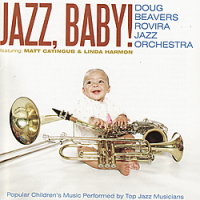
You Are My Sunshine
From: Jazz, Baby!By Doug Beavers
Videos

Doug Beavers
Instrument: Trombone
Born: September 22, 1976



